Russian Prepositional Case Endings Adjectives
The case of a noun shows what role a noun plays in the sentence. Plautdietsch pronounced ˈplaʊtditʃ or Mennonite Low German is a Low Prussian dialect of East Low German with Dutch influence that developed in the 16th and 17th centuries in the Vistula delta area of Royal Prussia.

Pin On Russian Grammar
Please note that the goal of this lesson is to introduce the cases of Russian nouns.

Russian prepositional case endings adjectives. Just like nouns pronouns in Russian change according to the case they are in. The first noun form cited is actually that of the genitive case but with weak nouns the dative and the genitive are usually identical. Other endings are used to change the grammatical category of a word for example -ness or -ity that form nouns from adjectives or -ful or -less that form adjectives from nouns.
However in Russian personal pronouns can refer both to people and to objects. Basic forms - English Grammar Today - a reference to written and spoken English grammar and usage - Cambridge Dictionary. If youd like to study cases in more detail please read our lessons dedicated to each of the six cases in Russian.
The plurals are die Herren den Herren der Herren. The word Plautdietsch translates to flat or low German referring to the plains of northern Germany or the simplicity of the language. Finite verbs have.
Exercise 1 Exercise 2 Exercise 3 Exercise 4 Exercise 5 Exercise 6 Exercise 7 Exercise 8 Exercise. Again der Herr is an exception. The accusative dative and genitive singular case forms are den Herrn dem Herrn des Herrn.
Russian pronouns are used as a substitution for nouns just like in English. In grammar the vocative case abbreviated VOC is a grammatical case which is used for a noun that identifies a person animal object etc being addressed or occasionally for the determiners of that noun. A finite verb is a verb that is dependent on a subject and is after the subject the other essential element of any clause or sentence.
A Glossary of Linguistic Terms. Any gender 1 Any gender 2 Any gender 3 Any gender 4 Any gender 5. These forms and their endings are called cases.
This web page was originally constructed to help computer science students who were taking my module on natural language processingSome terms may be used differently by different authors. Phrases with Russian nouns in any gender and case. A vocative expression is an expression of direct address by which the identity of the party spoken to is set forth expressly within a sentence.
Adjectives bigger biggest more interesting - English Grammar Today - a reference to written and spoken English grammar and usage - Cambridge Dictionary.

Pin On Learning Russian

Pin On Grammar

Russiangrammar A Great Cheat Sheet For Russian Pronouns And Possessive Pronouns Learn Russian Possessive Pronoun Cheat Sheets

Pin On Quick Saves

Russian Cases Prepositional 6 6 Learn Another Language Learn Russian Russian Language Lessons


Pin On Lingo

Russian Language Case Endings Russian Language Lessons Russian Language Russian Lessons

Pin On Rki

Pin On Russian

Russian Cases Russian Language Lessons Russian Language Learning Russian Language

Russian Personal Pronouns Personal Pronouns Learn Russian Genitive Case

Pin On Babbel Tower

More Russian Case Charts Russian Language Lessons Russian Language Russian Lessons

Prepositional Case Russian Grammar Grammar Russian Lessons Nouns

Pin On Rki
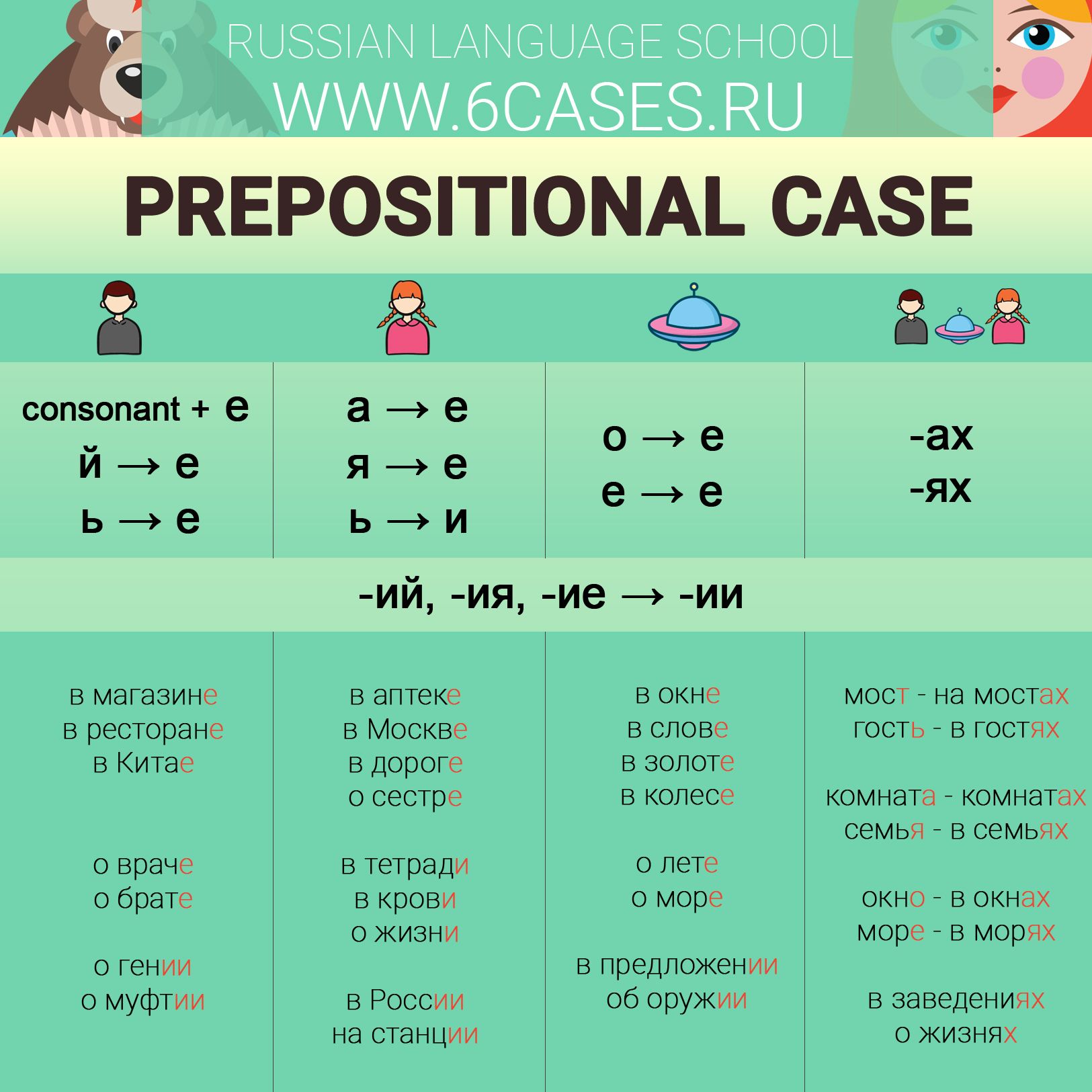
Pin On Russian Cases

Russian Cases Genitive 2 6 Russian Language Lessons Russian Language Learning Learn Russian
Pin On Russian Cases